

Real Estate Market Trends in 2026: Major U.S. Changes Buyers Must Know
- 1 What Are Real Estate Market Trends?
- 1.1 Current Real Estate Market Trends in the U.S.
- 1.2 Key Factors Influencing U.S. Real Estate Market Trends
- 1.3 Residential vs Commercial Real Estate Trends
- 1.4 Property Price Trends in Major U.S. Cities
- 1.5 1. What are the most recent trends in the U.S. real estate market?
- 1.6 2. Are home prices expected to fall in 2026?
- 1.7 3. Is now a good time to buy a house in America?
- 1.8 4. How do mortgage rates affect housing demand?
- 1.9 5. Which states are seeing the fastest real estate growth?
You need more than just a good real estate agent to get around the U.S. housing market today. You also need to know a lot about the data that drives the market. If you want to buy a house, sell a property, or grow your investment portfolio, knowing about real estate market trends can help you make a smart choice or a bad choice that costs you money.
As we move toward 2026, the real estate market in the United States is going through a big change. The market is finally settling into a new rhythm after years of ups and downs caused by the pandemic and quick interest rate hikes.
The way the real estate market is going right now suggests that a “reset” phase is happening. During this time, prices are expected to stay the same, the amount of inventory is slowly getting better, and the balance of power between buyers and sellers is becoming more equal.
Homebuyers have more choices and less pressure to get into bidding wars than they have in years. At the same time, sellers are learning that they have to price a home correctly from the start. It’s not an option anymore.
In the next sections, we’ll go over the most important information, predictions, and changes in different parts of the world that you need to know to get through 2026.
What Are Real Estate Market Trends?
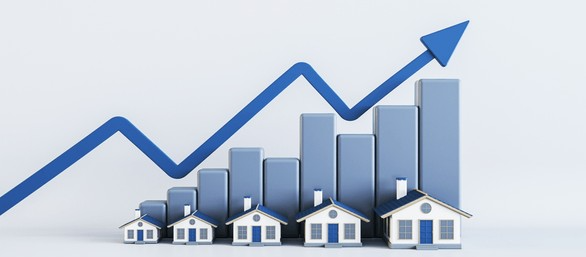
The real estate market trend can be defined by how the actual structure and behavior of the real estate market are changing. Real estate professionals track changes according to one or more key indicators. The most common are homes that have been put on the market, people looking to purchase homes, mortgage interest rates, the average sale price of homes within an area, and the overall economy including the job market and consumer confidence.
It is important to differentiate between short-term changes in the market such as fewer homes available for sale during the holiday week, and trends over many years. For example, the recent trend toward working from home has created a long-term trend of individuals leaving large urban areas and moving to suburban and southwestern regions of the country. Currently, trends are more localized. The bigger picture is that the real estate market is stable, but the real estate market analysis in America shows that the West Coast is cooling down, and the Midwest is on the rise
Current Real Estate Market Trends in the U.S.
According to early 2026 statistics, it looks like the market will start to stabilize and correspond with the current housing market trends. The final months of 2025 showed a significant increase in home sales after a slow start to the year, which goes along with overall in the real estate market trends as well as projected extension into the spring.
Here is a snapshot of the dominant current real estate market trends in the U.S.:
- Home Price Stabilization: Home prices across the country have flatlined. J.P. Morgan is projecting no change in housing prices for the year 2026, while others such as Realtor.com are projecting modest price increases of 2.2%. A lot different than double-digit appreciation of years past. For example, note that the nationwide median sale price is approximately $374,900 as of January 2026. This is an increase of 1.3% compared to one year prior.
- Improving Affordability: For the first time since the pandemic, wage growth is outpacing both inflation and home price growth. Combined with slightly lower mortgage rates, this is expected to bring the typical mortgage payment share of income down to 29.3%, dipping below the 30% affordability benchmark for the first time since 2022.
- Inventory Rises: The lock-in effect, where homeowners refused to sell and give up their sub-3% mortgage rates, is easing. With more homeowners now holding rates above 6%, the financial penalty of moving has decreased, leading to a 20% increase in housing inventory compared to last year.
- Variances in Commercial Property: The evolution of commercial real estate is inconsistent. The office branch has continued to be adversely impacted except for superior quality buildings situated in sought-after locations; however, in contrast, continuing improvements in supply chain centers and increased demand for data centers are bright spots for the industrial group.
Key Factors Influencing U.S. Real Estate Market Trends
In 2026, there will be many influential factors driving the marketplace.
One thing you need to realize when looking at many major influences on mortgage rates is why mortgage rates have recently dropped. In 2025 they were around 7%, and by the end of Jan. 2026, they were at 6.06% for a 30-year fixed mortgage per Bankrate…the lowest level ever in that time period. So they could continue falling to below 6% and possibly down to 5.70% as predicted by Bankrate before year-end.
The bond market has established stability because of the Federal Reserve’s (Fed) indication that it is no longer raising interest rates, with possible cuts beginning in 2026, which will affect mortgage rates indirectly. The level of inflation will determine future reductions through the Fed.
Housing Availability—The overall shortage of homes remains despite an increase in inventory of homes. The shortage of homes is estimated at 1.2 million (approx.). Builders are slowing down their constructions and pulling back on new starts and have dedicated themselves to selling their inventory of homes through incentives, such as rate buydowns.
Migration & Remote Work: The mass exodus to the Sun Belt is normalizing. While states like Texas and Florida continue to see growth, some pandemic boomtowns are cooling, and more affordable regions like the Midwest and Great Lakes are seeing renewed interest.
Residential vs Commercial Real Estate Trends
The separation of the real estate markets into two primary categories is critical to an investor’s decision-making process when determining which properties will yield a higher return on their investment (ROI).
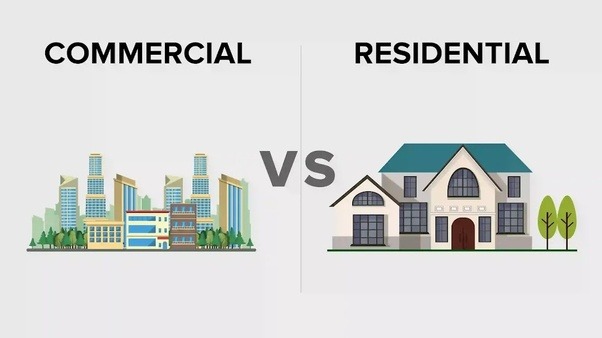
- Residential Market: The major part of the residential market is the single-family home and includes rental property built specifically as a rental. In general, homeownership (based on demand) is becoming more affordable. Suburban markets remain popular, but urban cores are seeing a modest population rebound. The rental market for single-family homes is expected to see costs rise by about 2.3%, as many families priced out of buying continue to rent.
- Commercial:
- Office: Still the “problem child.” While loan originations for offices have surprisingly increased, delinquency rates remain high as buildings face a “bifurcated” market where only the newest, amenity-rich spaces win tenants.
- Industrial: E-commerce and “reshoring” of manufacturing support warehouse demand.
- Multifamily: Due to slowing apartment construction following a boom, this will help stabilize the number of vacancies, thereby helping to support long-term rent growth.
Property Price Trends in Major U.S. Cities
National median figures may not provide accurate information regarding property value trends across different geographical areas. In early 2026, your analysis should separate the performance of metropolitan housing markets by region:
Cool Down the Western & Southern United States: Some of the fast-growing, or once-hot, metro areas (e.g., Austin, Seattle, Phoenix, and multiple cities in South Florida, including Miami & WPB), are now experiencing declining values attributable to overbuilding new housing units and the return of regular housing market activity/crises.
The Resurgent Northeast & Midwest: Affordability and job stability are driving price growth here.
Philadelphia: Prices surged 8.6% year-over-year.
Cleveland & Cincinnati: Both saw appreciation exceeding 5%.
These two metropolitan areas, Chicago & New York, are experiencing some slow growth (for the first time this millennium). As employees who have been working remotely start returning to their offices, and as urban living stabilizes, more individuals are flocking back into cities than ever before, according to the website.
In addition to New York and Chicago, there will be an increase in demand from various Midwestern cities. For example, the markets in Minneapolis, St. Louis, and Syracuse, as well as cities located around New York City’s borders such as Northern New Jersey and Fairfield County will also have increased demand—indicating greater changes throughout the real estate market.
These areas are becoming more popular because they are cheaper than major coastal cities and have unique features, such as a better chance of having less severe weather.
Trends in Real Estate Investment for 2026
Is now a good time to buy? For investors, the strategy is changing from buying things that go up in value to making money.

Long-Term Strategy: Since prices aren’t going up, the focus is on rental yield. Markets with stable home prices and rising rents, like the Midwest, give you better cash-on-cash returns than coastal markets with high prices.
- Short-Term Rentals: The Airbnb boom is slowing down as local laws get stricter. You need to have professional management and properties in the best business or tourist areas to be successful now.
- REITs: Publicly traded Real Estate Investment Trusts are putting money into sectors that are growing, like data centers, cold-storage logistics, and life sciences properties.
How Buyers & Investors Can Use Market Trends to Make Smart Decisions
When the market is changing, data becomes your most valuable tool. Here are some ways to use these trends:

- When to Buy: If you find a home you love and your income is steady, it’s risky to wait for prices to drop.
With prices flat or rising slowly, the biggest hurdle is the interest rate. If rates dip to the 5.7%-6% range, it may be a good time to buy and refinance later. - Evaluate Forecasts: Look at local supply. Is your target city building lots of new apartments and homes (like Austin)? Prices may soften. Is it a built-out city with strict zoning (like many in the Northeast)? Prices will likely stay firm.
- Negotiate: The days of waiving all contingencies are over. Use the fact that homes are sitting on the market longer (nearly 12 weeks in some areas) to negotiate repairs, closing costs, or a lower price.
Future Outlook of the U.S. Real Estate Market
Looking ahead, the U.S. property market outlook is cautiously optimistic. Experts predict a gradual improvement in sales volume rather than a boom. Mortgage rates are expected to average around 6.1%, stabilizing the “lock-in” effect further and bringing more listings to the market.
Changes in technology will continue to change the way the industry works, as we can see with the current real estate market trend. With the use of AI, buyers can find properties at prices that are closer to what they will actually sell for. Additionally, technology is making it easier for buyers and sellers to close digitally and perform virtual tours of homes, which continues to change the way the real estate market functions.
Over time, the growth projection is positive, as both Millennial and Gen Z populations continue to have children; therefore, there will continue to be affordable housing, even if there is a temporary dip in demand due to affordability concerns. Furthermore, these factors have an overall effect on trends within the real estate industry.
Conclusion
To get around the housing market in 2026, you need to understand current real estate market trends. We are leaving behind the crazy, fear-of-missing-out market of the past ten years and entering a time of normalcy shaped by more balanced real estate market trends.
Prices are stabilizing, inventory is rising, and mortgage rates are going down. These are all positive signals reflected in today’s real estate market trends and are encouraging signs for the U.S. real estate market right now.
Finally, things are moving in the right direction after all the issues that have been happening with affordability. To succeed in this market, you have to be informed, make decisions based on data, and not follow the trends but your goals. This applies to first-time buyers, seasoned investors, and real estate agents. There is no crash in 2026; it is an opportunity to buy and sell when the market returns to normal.
FAQs
1. What are the most recent trends in the U.S. real estate market?
Trends right now point to a “reset” in the market. Prices for homes are stabilizing, with little growth (0–2%) across the country. Inventory is rising, and competition among buyers is easing. Mortgage rates have dropped to the low 6% range, which makes things a little more affordable.
2. Are home prices expected to fall in 2026?
Nationally, a significant price crash is unlikely. Most experts forecast flat to modestly positive price growth of 0% to 2.2% . However, specific overbuilt markets in Texas and Florida may see localized price declines .
3. Is now a good time to buy a house in America?
It depends on your personal finances. If you have a stable job, an emergency fund, and plan to stay in the home for at least 5-7 years, it’s a better time than it was a year ago. You have more negotiating power, more homes to choose from, and lower rates than in 2025 .
4. How do mortgage rates affect housing demand?
A buyer’s ability to purchase is affected by mortgage rates. A lower mortgage rate reduces the monthly payment, therefore allowing the buyer to be qualified for a larger loan or have more money in their budget. With this greater purchasing power, more buyers typically “come off the sidelines” and into the housing market.
5. Which states are seeing the fastest real estate growth?
Currently, growth is shifting from the Sun Belt to more affordable regions. Ohio, New York (upstate and commuter towns), Pennsylvania, and Missouri are seeing strong demand and price appreciation due to their affordability and job stability .