
10 Positive Parenting Tips to Support Healthy Child Development and Raise Confident, Happy Children

Raising a child is truly one of life’s most profound journeys—full of beautiful moments from a baby’s first smile to a child’s first day of school; each moment has a tremendous impact on your child’s emotional development, self-esteem and future relationships. How you react to mistakes, reward your child for their successes and cope with the daily hassles all impact the way in which your child develops. Because of this, using the 10 Positive Parenting Tips to Promote Healthy Child Development will help create long-lasting positive effect on how your child develops.
There is no need for children to have “perfect” parents; however, children will benefit if their parents are present, loving and consistent. When families emphasise emotional safety, healthy communication and guidance (rather than fear and control), children develop strong senses of belonging and self-worth. The following 10 Positive Parenting Tips to Promote Healthy Child Development, build resilient children and promote positive mental health throughout their lifetime.
Many parents believe they are too busy to parent the way they want to, and many report feeling pressure to do more to enhance their parenting skill set. You can still create a terrific family environment for your child by making small changes to the way you nurture your child and your own parenting abilities. Here are some suggestions of ideas to help you improve on how you nurture your child.
Why Positive Parenting Is Essential in Modern Families

The experiences that a child has every day teach them things and influence their development more than infrequent instructions they receive. Developmentally, through the process of communicating, engaging with peers, and learning daily activities, children grow and develop through their development. Responding to them in a calm manner instead of angrily or through frustration along with caring for them and assisting them will help create an environment to reduce anxiety, grow emotionally, and create a secure place for them through their development. The child feels emotionally safe during their development and provides comfort and support as they grow from being a child into adulthood (anxiety, insecurity, and dysfunctional behaviours).
Through the use of 10 Positive Parenting Tips to Promote Healthy Child Development, parents can use discipline to influence their child’s behavior by showing them love rather than punishment. Positive Parenting supports discipline through teaching your children how to express themselves positively, and being creative and using the time to communicate with them and providing a nurturing and safe environment for them. Over time, by showing love, warmth and support to your child, you will naturally be nurturing their self-esteem.
10 Positive Parenting Tips to Support Healthy Child Development
The 10 Positive Parenting Tips when applied will help create a safe environment that helps children feel comfortable and have the skills and resources needed to learn how to trust, have a good understanding of their emotions, and develop social skills (work with to some extent or other) with caregivers throughout their lives.

When a caregiver provides unconditional love and emotional security to a child, he/ she lays the foundation for positive parenting principles. A child needs to know he /she is loved regardless of his/her missteps. Phrases like “I’m proud of you” and “I am always here for you” make kids feel safe and loved. When we show affection, like hugs or cuddles and look them in the eye it helps them feel secure. Using an caring tone when we talk to them also helps kids feel stable and loved. These things help kids grow up with a sense of belonging. Positive words and physical touch go a way in making kids feel happy and secure.
A great method that parents can use is to actively listen to their kids when they speak. This means that when your kid is talking, you should be doing nothing else at the same time and give them your full attention to prevent you from interrupting them while they talk. Active listening lets children know that what they think or feel is important.
To truly communicate with your children, you need to be a good listener before you can “correct” them — this is one of the 10 Positive Parenting Tips to Support Healthy Child Development, as it strengthens trust and emotional connection. (As an added benefit; another advantage of kneeling down to your child’s level when speaking with them is that it encourages you to use “calm” responses.)
Establishing boundaries consistently, and in a clear manner makes children feel secure. They guide children in their behavior rather than being used to control them. Boundaries that are communicated in a calm and consistent way will help children to understand what is expected of them. This type of approach allows for guidance to children’s behavior without using harsh discipline techniques.
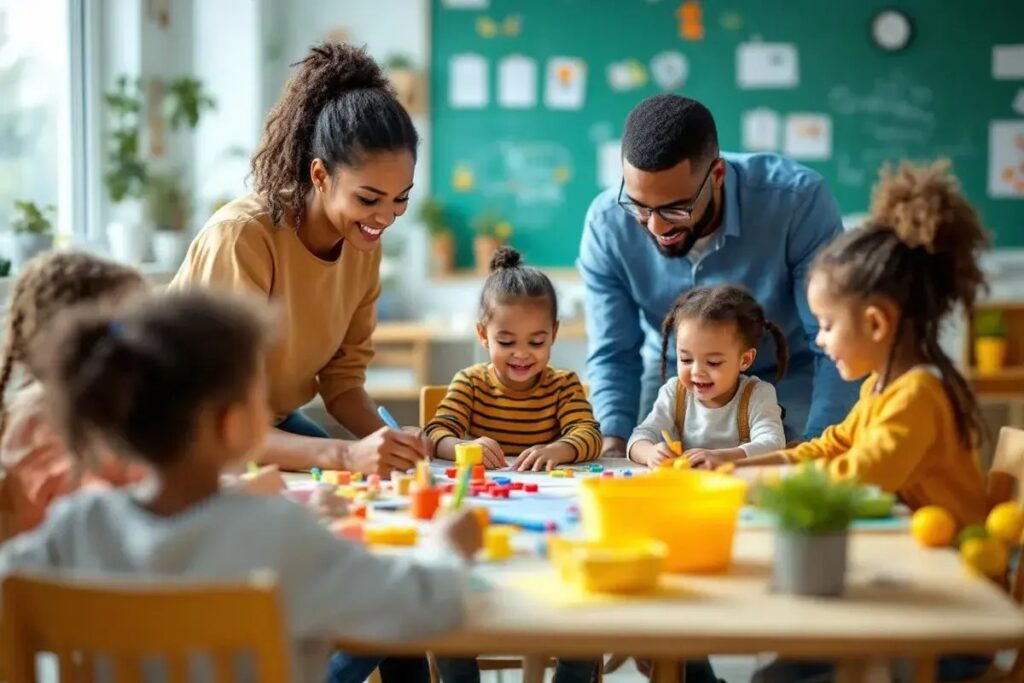
Children develop a higher degree of self-esteem through their participation in independent activities. They gain a greater sense of responsibility as well. Putting away toys, dressing oneself and doing homework with minimal assistance from parents are examples of independent activities young children can engage in. These types of activities will promote a child’s development, as well as instill in them confidence to become independent in the future.
Teaching resilience through praise should be done focusing on “effort” rather than “perfection”; instead of saying, “You are smart”; say, “I am proud of your effort that it took you to complete this.” In addition to creating a less fearful future for someone else to be successful, having the mindset of doing good regardless of what happens in the future will help mentally with no longer having to worry about failing, and this creates an optimistic base for someone else to build off of.
By providing our children opportunities to develop their own abilities by giving them responsibilities in stages will help build their self-efficacy so they will be less likely to feel pressured when learning about different levels of responsibilities throughout the life of the child. This approach is an important part of the 10 Positive Parenting Tips to Support Healthy Child Development, as gradual responsibility builds confidence and resilience over time. For example, enable them to participate in the small daily tasks of life (such as feeding your pet) or completing basic chores (such as putting up supplies) so that they can practice being accountable.
It is important to handle discipline in an even temperament manner. Loving discipline refers to correcting a behavior without penalizing or humiliating the child. Consequences that are given calmly, explanations that are clear, and empathy will provide children with skills to resolve problems. When parents demonstrate self-control emotionally, children will be better equipped to control their own emotions.
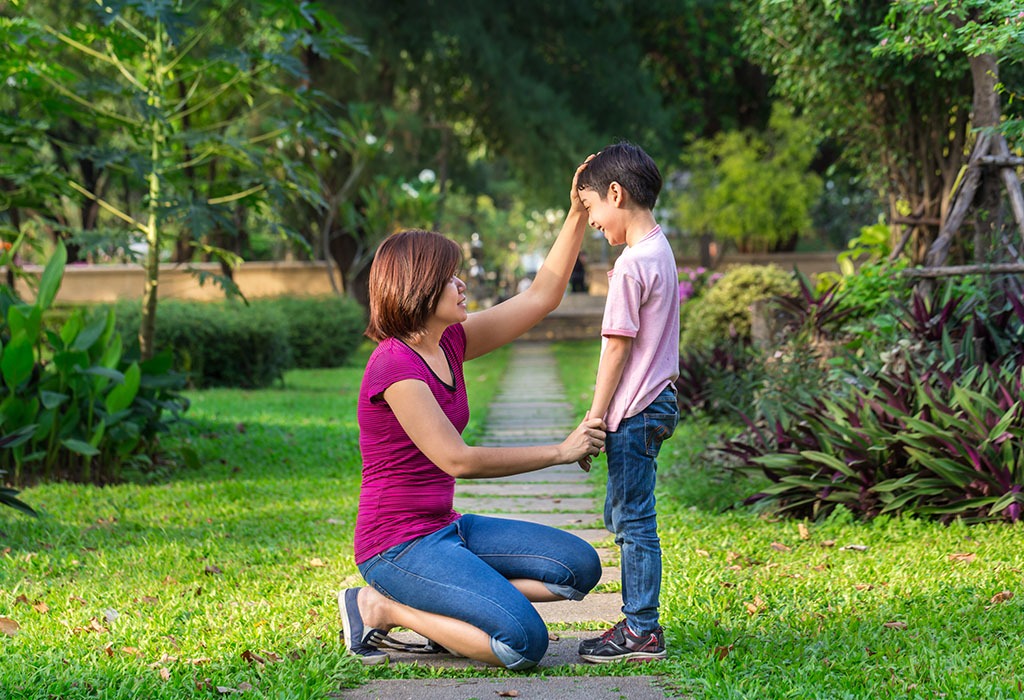
Parents can demonstrate a way of treating others – being respectful & showing their children how to deal with conflicts, stress and communicate with someone. Whether or not they intend to do so, using respectful language and behaviour creates a respectful atmosphere for their families.
Building a strong parent/child relationship will happen when you spend time each day establishing a habit where you would spend time with your children building this relationship. For example, if you spent 15 minutes per day with your child and gave them your complete attention (for example reading, talking, or playing), then there will be a strong sense of value for your child created from this and an increase in their confidence (security in themselves) in what they are able to accomplish.
Encouraging children to express their emotions is an important means of informing them that expressing emotion is part of their normal development. This is one of the 10 Positive Parenting Tips to Support Healthy Child Development, as emotional expression strengthens confidence, security, and self-awareness. By providing children with the opportunity to identify and express their feelings, parents help establish a sound emotional foundation that fosters the development of positive behaviours.
The continuous use of the 10 Positive Parenting Tips for Supporting Healthy Child Development by parents allows for their children to grow and develop socially, emotionally and mentally.
How to Apply These Parenting Tips in Daily Life
To positively support child’s growth and development with parenting, it does not require large scale changes. Small ( but consistent) , daily adjustments will have a long-term effect on how your child develops. Daily routines ( mealtimes, bedtime, homework, etc. ) help lay a strong foundation to your child’s development and foster feelings of safety and lessen anxiety .
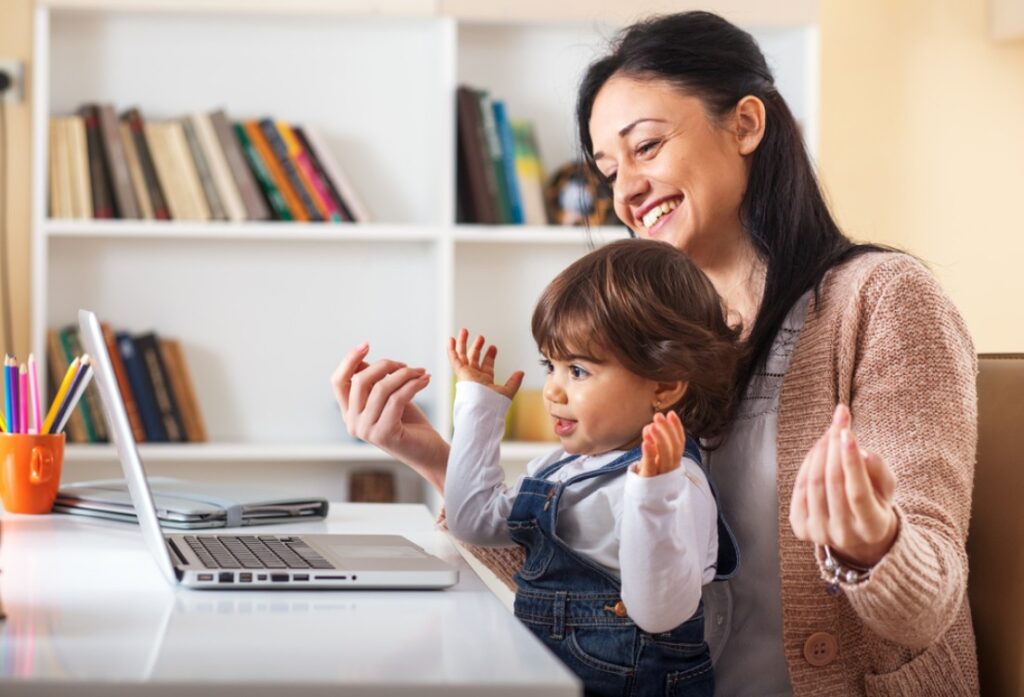
By managing their own levels of stress, parents can also practice patience. Taking short breaks or breathing deeply before responding helps improve parenting behavior and allows parents to ask for support when necessary. Calm parents will create a household where children will also learn the same behavior.
Using open-ended questions, like “How do you feel?” and “What do you think?”, also improve the quality of interaction between parent and child. Open-ended questions allow parents and children to connect better with each other in a more emotionally secure manner.
When children are provided with having consistent expectations from adults, they feel secure and have a higher level of confidence in their actions. This consistency is a key part of the 10 Positive Parenting Tips to Support Healthy Child Development, as predictable guidance helps children understand boundaries and build emotional stability. Because kids are going to encounter the same things repeatedly on a daily basis, this repetition will provide guidance to their behaviour, which will produce better long-term mental health, etc.
Common Parenting Mistakes That Affect Child Development
Even caring parents occasionally. Making comparisons between your child and others may impact your child’s sense-of-self and hinder the development of your child’s self-confidence. Development is an individual process for each child, with early years being most affected by individual timing.
Independence and problem-solving abilities can be hindered by overprotective behavior. Safety is an important aspect of parenting, but children require chances to test their limits with failed attempts before succeeding. If discipline tends to vary, confusion will arise due to a lack of consistent rules. An influx or decrease of changing rules can add to a child’s confusion regarding boundaries.
Excessive screen time may reduce meaningful interaction and limit child emotional development. Personal connection and conversation are far more beneficial for growth.
Emotional neglect and a lack of communication may have a negative impact on your child’s mental health. Unheard children may either act out or withdraw from others. By applying the 10 Positive Parenting Tips to Support Healthy Child Development, parents can avoid these patterns and develop better relationships with their children.
Conclusion
Parenthood isn’t so much about being perfect but forming connections with your children. The 10 Positive Parenting Tips Supporting Your Child’s Healthy Development stress the importance of love and patience, consistent parenting, and providing emotional security. Parents can create lasting confidence in their child and foster their child’s healthy emotional development by being guiding their child with empathy and respect.
Every day is a new opportunity to grow alongside your child. By practicing these principles consistently, families can create a healthy family environment where children feel secure, capable, and deeply loved.