

How Space Technology Affects Daily Life: Everyday Innovations Born Beyond Earth
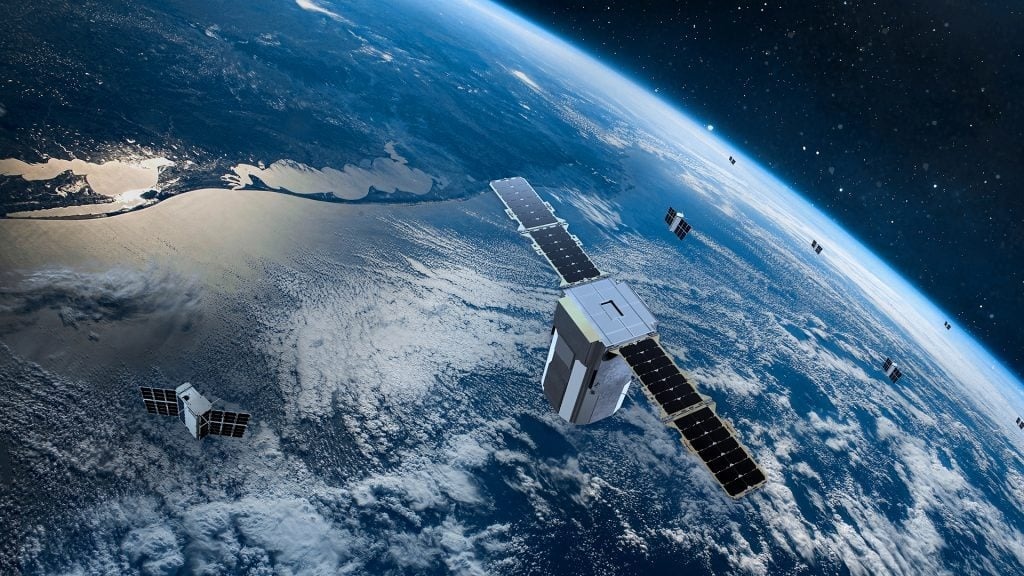
Think about your day. You check the weather before you go out, use Google Maps to route around traffic, make a call on your phone, watch a show at night, and even track a food delivery in real time. It doesn’t seem like it, but all of these activities relate to space. Studying how space technology affects daily life is important in understanding how dependent our world is on new ideas that were developed off of our planet.
A lot of individuals think that the activity of exploring and researching space benefits only the space agencies and those employed by them; however, space technologies have many other effects on human life in ways we may not be aware of.
The many ways that this is happening are due to the fact that space technology influences just about every aspect of our daily existence, from healthcare uses of technology to communication system advancements, clearly showing how space technology affects daily life in practical and meaningful ways.
What is technology for space?

Space technology is the name for the tools, systems, and new ideas that have been made to study and explore space. This includes satellites, rockets, space probes, and other high-tech research tools.
NASA and ISRO are two organizations that make technologies for launching satellites, studying planets, and going on space missions. But that’s not the end of the story.
The things we learn from space research help us come up with new ideas that we can use on Earth. One of the reasons how space technology affects daily life is such an important topic today. Many of the new ideas that we come up with help us create things that we use in our daily lives, proving how important space science is.
How Space Technology Affects Daily Life
Communication via satellites
Satellite communication is one of the most common uses of space technology in daily life.
The satellites that orbit around the Earth enable people to make phone calls, watch TV, and access the internet. Communication satellites allow you to make calls to people in other countries or watch live sports. It is evident from the above examples that how space technology affects daily life by enabling people to access each other without any issues.
Satellite technology also makes it possible to:
- Distance learning in rural areas
- News from around the world
- Online meetings and video calls
Today’s connected world wouldn’t work as well without communication systems in space.

Have you ever used Google Maps to go to a location? That is because of satellites.
The satellites in the Global Positioning System (GPS) are constantly sending signals to the Earth. Those signals come to your smartphone, and it calculates your location. This is useful for:
- Cab and ride-sharing services
- Managing logistics and the supply chain
- Navigation by air and sea
- Finding callers quickly by emergency services
By analyzing the use of space-based technologies for real-time navigation and tracking of deliveries, we can see greater impacts from such technologies in our daily lives.
Weather and Natural Disaster Planning
An excellent example of how space technology affects daily life on a day-to-day basis is related to the significant improvements made to weather forecasting.
Weather satellites continuously monitor changes in the atmosphere and oceans and monitor cloud formation, which allows for more accurate forecasting.
- Changes in temperature and rain
- Cyclones and hurricanes
- Flood risks and dry weather
By warning of an impending cyclone, many thousands of lives have been spared in nations such as India. Farmers utilize information obtained from satellites in determining what type of crop to plant, how to irrigate, and how much yield they can expect. Major events such as these show very clearly how the use of technology from outside our planet has impacted the earth’s population; thus, providing a clear case for how space technology affects daily life during times of great need.
Innovations in health care and medicine
You would be surprised to know that some innovations in the field of medicine were a result of research carried out in space.
Scientists developed advanced imaging tools and portable monitoring tools to keep astronauts healthy in space. Later, these innovations improved MRI and CT scan technologies.
- Heart monitors that can be moved around
- Telemedicine is a way to get medical care from a distance.
Modern healthcare systems are another way that space technology affects daily life. For example, in remote and rural areas, satellite communication makes it possible for experts to talk to each other.
Things We Use Every Day
A lot of the new things we use in space today were first made to help with space missions.
Some well-known examples are
- Memory foam was first made to make the seats of astronauts more comfortable.
- Water purification systems: made to clean and reuse water in spaceships
- Solar panels—much better because of the energy needs of satellites
- Lenses that don’t scratch—based on helmet visor technology
These things may not look like they’re related to space, but they are reminders of how space technology affects daily life in both obvious and unexpected ways.
How space research helps society
Space research has more benefits than just making things easier. They help the economy and society grow, and they also explain how space technology affects daily life on a larger scale
Growth in the economy
There are jobs in engineering, research, manufacturing, and data analysis in the space industry. Private businesses are now putting a lot of money into satellite technology and launch services, which helps the economies of their countries.
Ecosystem of Innovation

Space research makes scientists work hard to find answers to hard problems. These answers often lead to big advances in robotics, AI, and materials science.
Security of the nation
Satellites help keep an eye on borders, keep track of natural disasters, and make defense systems better. Reliable communication networks also make the country safer
Communication around the world
Thanks to the internet, international broadcasts, and global positioning systems, people of all nationalities can communicate. This clearly shows how space technology affects daily life, as an excellent example of the impact of space programs on the daily lives of millions around the world can be illustrated by the electronic messaging available worldwide today, demonstrating once again how space technology affects daily life on a global scale.
What Space Technology Will Do to the Future
Space science is going to play a bigger and bigger role in our lives, and in the next few decades, it will be even more important to know how space technology affects daily life.
We might see the following in the next few years:
- High-speed internet via satellite in rural and remote areas
- Smart cities that use satellite data in real time
- Improved systems for monitoring the climate to fight global warming
- AI integration in satellite operations to speed up data processing
Space agencies and private companies are working to make launches cheaper and satellite networks better. In the future, space technology will be even more a part of everyday life.
The End
Often when we think of astronauts and rockets, we do not think of how space technology affects daily life or the way that space affects the character development that takes place in each of our lives every single day. After exploring this topic more closely, however, it becomes very apparent how space technology affects daily life, as the universe shapes all aspects of our lives every day in such a wide variety of ways.
Many aspects of our lives involve technology developed in space, such as navigation, communication, healthcare, or consumer products. Space & space technology continues to influence many, including scientists working for NASA or other space-related organizations; each student, farmer, and business owner, as well as common people, continues to be impacted by space & space technology.
The advancement of space exploration will keep progressing forward; however, greater understanding as a society of how space technology affects daily life and the influence of space-related technologies on our everyday lives is important for us to grasp the existence of technologies developed outside of Earth. For instance, you may not realize, but every time you check the forecast or use your mobile device to confirm your location, you are experiencing how space technology affects daily life through technology created by space-based science.
1. How does space technology impact daily lives in various ways?
The use of technology in outer space impacts each day and the way we live today. For instance, when satellites are in orbit around the globe they allow for Global Positioning Satellite (GPS) navigation and mobile phone services; they provide information for accurate weather forecasts; they help health care providers provide care; and they allow people to communicate with each other around the planet using the internet. There are many different types of uses for satellites that help people complete every day tasks.
2. Examples of Space Technology Used on Earth?
Today, we can use technologies from outer space at home; these include GPS navigation systems, satellite television, memory foam, purification of water, solar panels, and telemedicine services.
3. In what ways can satellites assist an individual in communicating with others?
With a satellite, individuals can have long-distance conversations by sending or receiving signals. Those communicating with another person thousands of miles apart can both talk to and hear each other. Coupled with the ability to watch live TV broadcasts, access the Internet, and transmit or receive data from all over the planet, the satellite enables people to communicate with each other all over the world at any time.
4. Are ordinary individuals (average citizens) able to benefit from space research?
Numerous applications exist for space research, such as advancements in healthcare; providing warnings about environmental disasters; providing the average person with communication benefits; promoting economic development; and developing new technologies that improve the standard of living of the average individual (i.e., improvements to overall quality or standard of living).
5. Why is space technology crucial in the future?
Space technology assists in climate change monitoring, developing intelligent infrastructure, securing the nation, and linking the world. It will be extremely vital in addressing challenges in the future.

