

Exported Electricity Worth Nearly ₹2 Billion to Europe

- 1 Growing Demand for Cross-Border Electricity
- 2 Strengthening Energy Infrastructure
- 3 Economic Effects of Exported Electricity
- 3.1 Supporting the Transition to Clean Energy
- 3.2 Regulatory and Trade Compliance
- 3.3 1. What are the reasons Europe imports electricity?
- 3.4 2. What type of infrastructure is required for trading electricity?
- 3.5 3. How does electricity exportation assist in economic development?
- 3.6 4. What do electricity exportation and cross-border trade in electricity look like in the future?
As the world moves toward a more interconnected energy network, cross-border electricity trade is emerging as one of its primary engines for international economic collaboration and technology partnerships. With this newly anticipated evolution of cross-border trade comes an increased demand for a more reliable and sustainable electricity supply in most parts of the globe, clearly reflected in the growth of exported electricity, including nearly ₹2 billion worth of exported electricity
This is a demonstration of both significant production capacity and an ever-increasing confidence in the quality of the electricity infrastructure, regulatory environment, and transmission capability required to support exported electricity at an international scale.
Growing Demand for Cross-Border Electricity

Electricity consumption throughout Europe continues to grow as a result of the continued development of new industries, the digitalization of the economy, and the continued acceptance of renewable forms of energy to supply their electricity. The increased demand for exported electricity has resulted in an increase in the supply of electricity that is being exported to the European market to help mitigate supply shortages and stabilise electricity grids when electricity demand peaks.
The electrical export trade, with an approximate value of ₹2 billion, illustrates the fact that the international power trade has become a viable alternative to securing a reliable energy supply and keeping prices competitive.
Strengthening Energy Infrastructure
Exporting electricity at this scale requires advanced infrastructure, including:
- High-capacity transmission networks
- Cross-border grid interconnections
- Efficient load management systems
- Adhering to International Energy Guidelines
Electricity has been successfully transmitted across Europe, demonstrating the strength of the generating equipment and the reliability of long-distance transmission systems that support large-scale exported electricity.
Economic Effects of Exported Electricity
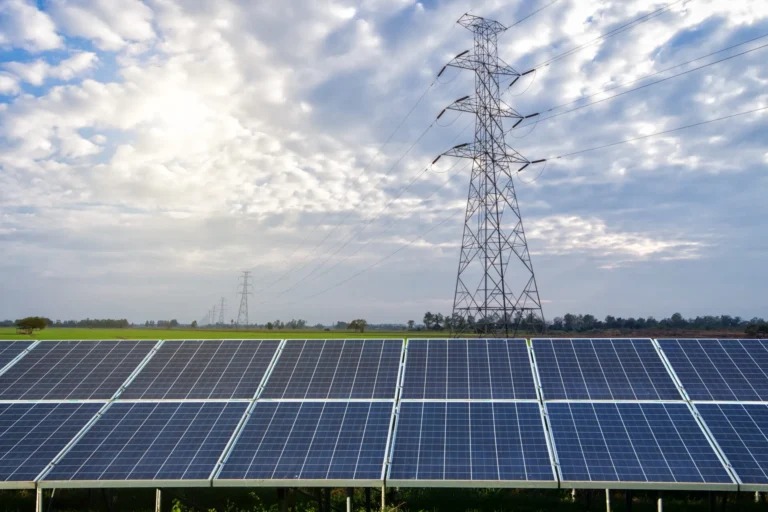
Electricity exports contribute significantly to economic growth by:
- Generating foreign revenue
- Supporting power sector investments
- Creating employment in energy and infrastructure sectors
- Encouraging technological upgrades
The fact that there is a projected export value near ₹21.4 billion indicates that there will continue to be strong commercial viability and provides further opportunities for long term supply agreements for exporting companies and their buyers.
Supporting the Transition to Clean Energy
Today’s electricity exports will almost always be derived from clean or low-emission energy sources. This reinforces the value of electricity being exported in the global marketplace and European customers are working to procure their electricity from exported sources that meet their sustainability requirements, and reduce their carbon footprints.
Exporting electricity in line with these expectations will not only increase an exporter’s competitive advantage in the global energy market but also contribute to energy solutions that are climate-conscious.
Regulatory and Trade Compliance
Electricity traded internationally has stringent regulatory structures associated with it such as grid synchronisation, pricing structures, and environmental standards. Successfully exporting electricity into Europe signifies that these regulations were adhered to and that you can work through complex international energy trading environments.
By complying with the regulatory structures above, you provide credibility in addition to providing the opportunity for expanded trading relationships.
Conclusion
Exports of electricity worth over ₹2 billion have been made; however, these exports do not just represent a one-time opportunity but rather show future growth potential. Demand for reliable and sustainable power is growing, therefore increasing the requirement for electricity through cross-border trading, thereby leading to many more opportunities for expansion to the global electricity trading market in the future.

Insufficient investment in infrastructure, renewable energy, and development of renewable energy integration, along with good support from policies, will provide increased opportunities to export electricity to Europe in the long term.
FAQs
1. What are the reasons Europe imports electricity?
Electricity is purchased from outside of Europe to complete increased electricity use, improve power grid reliability, and provide additional opportunities to use renewable energy sources.
2. What type of infrastructure is required for trading electricity?
Countries require long-distance transmission lines with adequate capacity, either through the construction of connecting grid systems that allow electric flow between borders or through the development of load management systems and international standards to facilitate this type of trade.
3. How does electricity exportation assist in economic development?
Electricity exportation generates revenue in different currencies, assists with providing energy-related security/stability for workers or employees, assists with providing continued energy-related job security, and creates long-term business between countries involved in this type of market.
4. What do electricity exportation and cross-border trade in electricity look like in the future?
Electricity exportation and cross-border electricity trade will continue to grow as a result of global demands for more stable/renewable sources of energy, continued developments of electric transmission systems, and continued increases in the use of renewable energy resources.