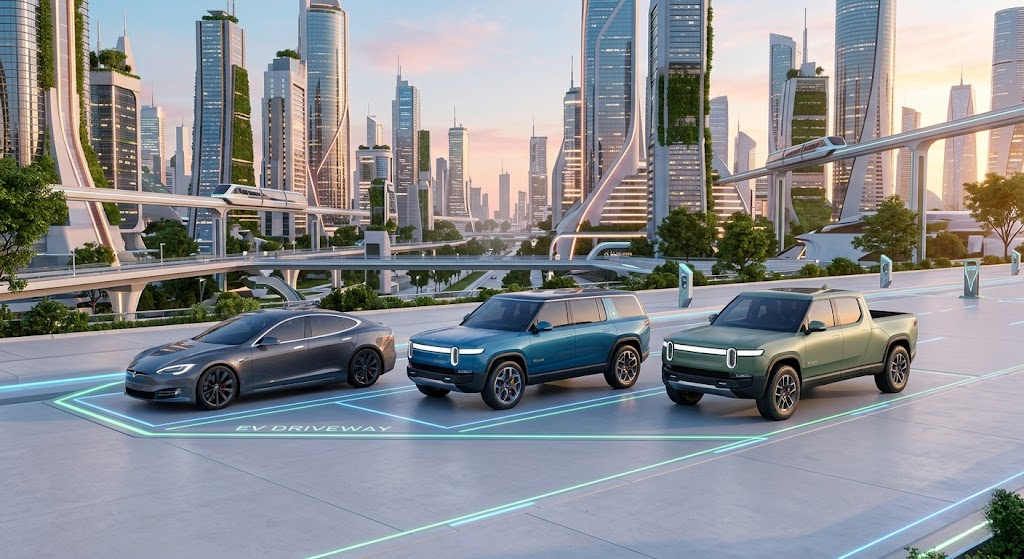

Automotive Industry in the United States: Market Size, Trends, and Future Growth Outlook
- 1 Overview of the Automotive Industry in the United States
- 2 Key Segments of the Automotive Industry in the United States
- 3 The Growth of Electric Cars
- 3.1 How the Automotive industry affects the economy
- 3.2 Issues the Industry Is Dealing With
- 3.3 The Future of the US Car Industry
- 3.4 1. How large is the car industry in America?
- 3.5 2. What recent trends have emerged in the U.S. automotive marketplace?
- 3.6 3. How does the automotive sector affect unitised production within the United States as a whole?
- 3.7 4. Are more Americans purchasing electric vehicles?
- 3.8 5. What issues does the US car industry have to deal with?
The automobile business has had a major impact on the economy United States for many years, including jobs, exports, manufacturing, and innovation. While the automotive industry in the United States remains one of the world’s major and fastest-growing industries, it also generates huge amounts of economic activity, supports mass production of automobiles, and advances new technologies.
Also, the auto industry continues to play an important role in the economy of the country and will continue to be at the forefront of developing innovative products and services. The automotive industry in the United States whether it be the traditional auto manufacturers based in the U.S., the new manufacturers producing electric and autonomous vehicles, or the global manufacturers – is dynamic and continually changing. This has major implications for investors, analysts, and business owners in different phases of the global market!
Overview of the Automotive Industry in the United States
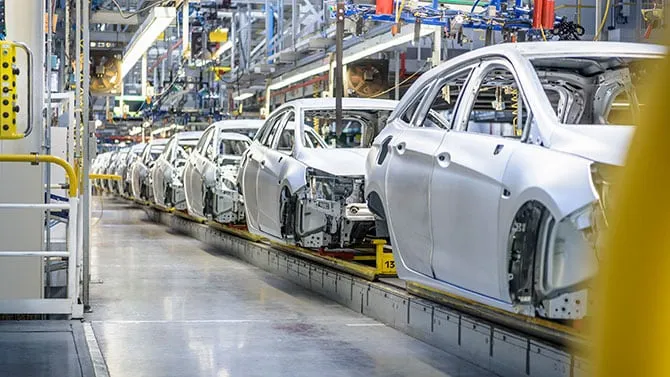
The history of the motor vehicle manufacturing industry in the USA dates back to the early 20th century. The era of mass assembly changed the movement of people and finances associated with the motor vehicle manufacturing industry forever. Since that time, motor vehicle manufacturing has evolved from simple manual processing to increasingly mechanised and computerised methods of operation.
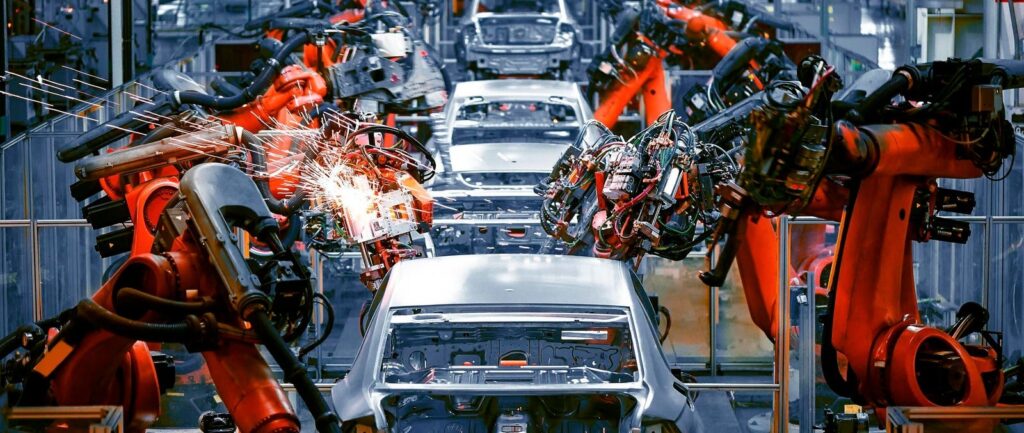
Every year, the industry brings in hundreds of billions of dollars to the U.S. economy. It makes up a big part of the manufacturing GDP and supports millions of jobs, both directly and indirectly. Reports from the Automotive Production Statistics USA say that the production of passenger cars, trucks, and commercial vehicles is always high.
Many major production hubs are located in states like Michigan, Ohio, Kentucky, Tennessee, Alabama, and Texas. A large network of parts suppliers, logistics companies, and technology companies make up the automotive supply chain USA. These areas are the backbone of car manufacturing in the United States.
People in the United States work in manufacturing plants, research and development centers, design studios, and dealership networks in the automotive market.
Key Segments of the Automotive Industry in the United States
The automotive industry in the United States is made up of several important parts that make up the American automotive market.
Cars for People
There are still quite a few passenger cars vs all other car types combined; SUV, Sedan, Crossover, & pickup truck. In the USA bigger & more functional vehicles are generally preferred, shown by the fact that Light Trucks & SUVs are 2 of the most popular types of vehicles sold.
Commercial / Business Vehicles
Delivery vans, heavy-duty trucks, & fleet vehicles are critical to retail, construction & logistics industries. More consumers are buying their products online, which leads to ever-increasing amounts of delivery fleets. These trends will directly shape the future direction of the U.S. automotive industry, so therefore automotive manufacturers must understand what consumers are looking for with regards to their future purchases.
EVs
Electric Vehicles have already began to alter how the automotive industry does business in the United States; thus the manufacturers of tomorrow will design and produce their products quite different than they do today. With the recent increase in electric vehicle production driven by government incentives and the public’s growing awareness of the many advantages offered by electric vehicles, they have never been as popular as they are now. Electric vehicle production has increased dramatically over the last several years.
The parts and supply chain for cars
The automotive industry in the United States supply chain is complicated and linked to the rest of the world. Thousands of suppliers, from small businesses to big companies that do business all over the world, help US car assembly plants and new ideas in the automotive industry.
What is happening in the automotive industry in the United States right now that is changing it?
There are a lot of big changes going on in the US auto industry that are affecting how people invest.
The Growth of Electric Cars
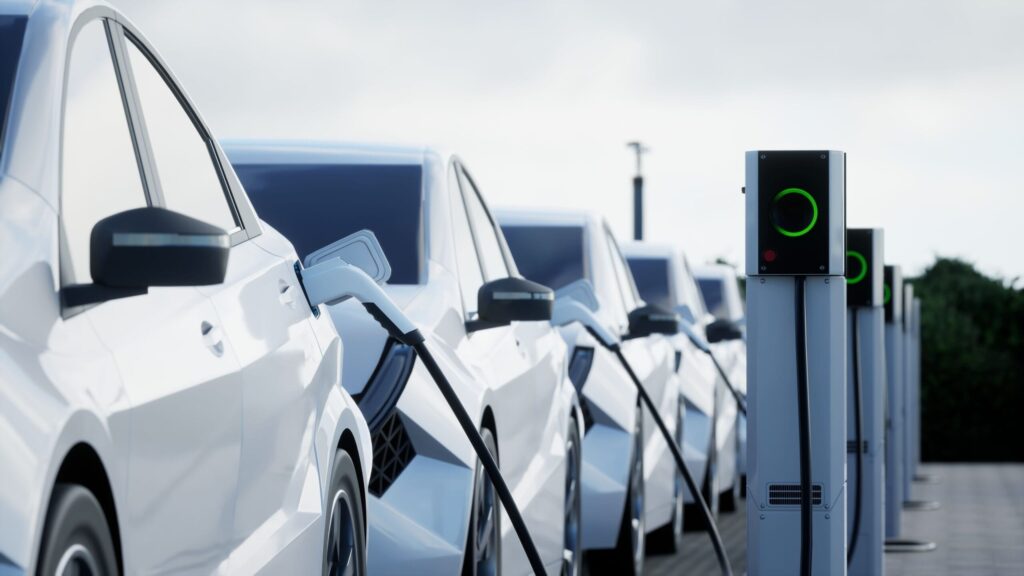
There are now a lot more people in the US who can afford electric cars. Electric vehicles are becoming more popular because of incentives from the federal and state governments and stricter emissions standards.
The Technology Behind Self-Driving Cars
Systems for self-driving and semi-autonomous driving are making quick progress. The automotive industry in the United States is becoming even more modern because companies are spending a lot of money on AI and sensor technologies.
Projects for sustainability
Sustainability is now an important part of business plans. Manufacturers are lowering their carbon emissions and setting long-term environmental goals that match changes in the US auto industry.
Switching to digital
Everything is changing because of digitalization, from how cars are made to how people feel about them. Data analytics is now a very important tool for understanding how cars are sold in the US and how people act as customers.
Changes to the chain of supply
The recent lack of semiconductors showed how weak the US automotive supply chain is. Because of this, automotive industry in the United States is using more than one supplier and making it easier for them to build cars in the US.
How the Automotive industry affects the economy
The automotive industry in the United States has a big impact on the economy that goes beyond just making cars.
- Creating Jobs
There are millions of jobs in the industry, including those of assembly line workers, engineers, designers, software developers, and dealership employees. - Help with Exports
The automobile industry in the United States exports cars and car components all over the world. This includes exporting cars, trucks and parts to other countries including Canada, Mexico, European countries and many Asia-Pacific countries. The United States’ automotive industry is also competing with other nations when it sells vehicles or vehicle parts into other markets across the globe. - Investing in new ideas
Research and development costs are still high, especially for electrification and self-driving systems. Continued innovation is very important for the US automotive industry’s future growth. - Developing infrastructure
As the auto industry grows, more money is put into infrastructure. For example, the US is building more charging networks for electric cars and making smart traffic systems better.
Issues the Industry Is Dealing With
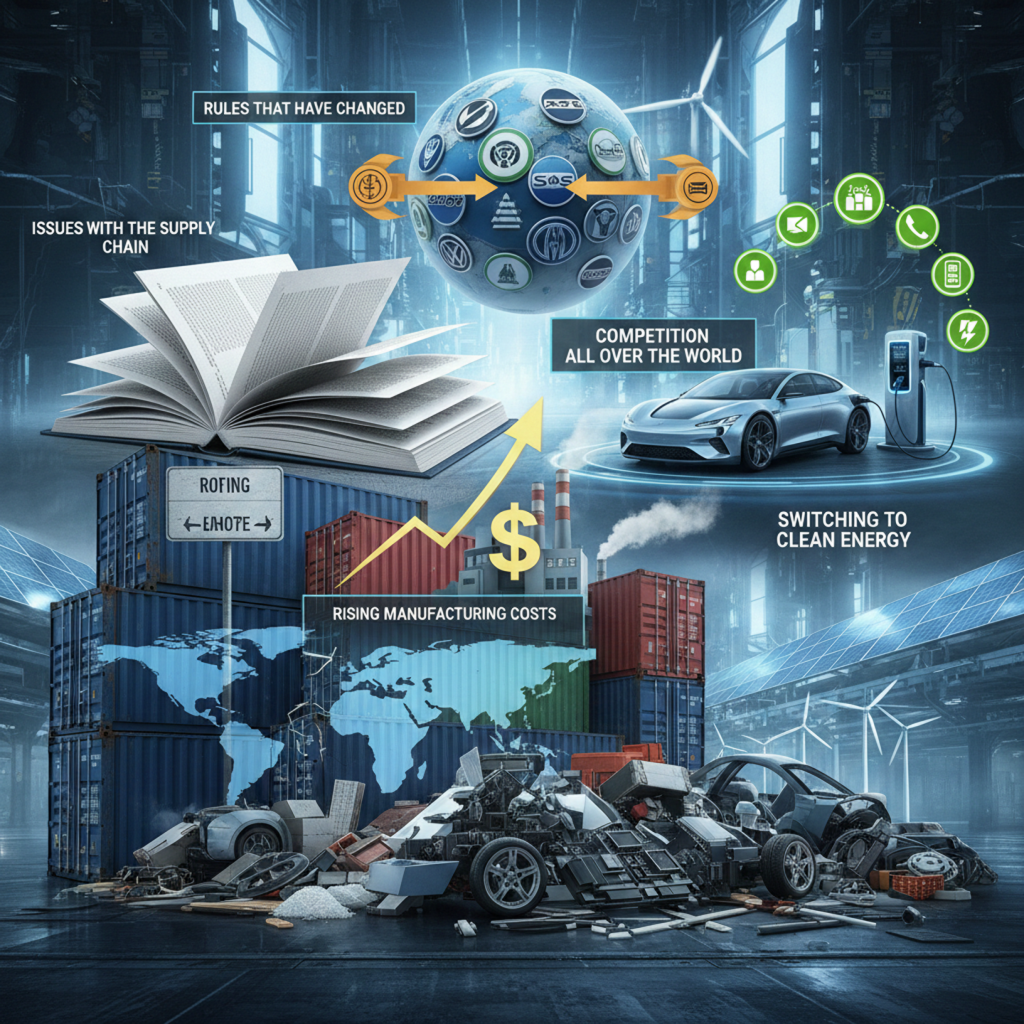
The automotive industry in the United States has a lot of problems with its structure and competition, even though it does have some good things.
- Issues with the supply chain
Events around the world have shown how easy it is to get raw materials and semiconductors. - Rules that have changed
Companies have to keep investing in cleaner technologies because of new rules about emissions and fuel economy. - Competition all over the world
Companies from Europe and Asia compete with manufacturers in both the US and other countries. - The costs of making things are going up.
Costs for labor, materials, and energy keep going up, which lowers profit margins. - Switching to clean energy
The shift toward electrification means that the automotive industry in the United States needs to spend a lot of money and train a lot of new workers.
The Future of the US Car Industry


The automotive industry in the United States still has a good long-term outlook because of changes in technology and help from the government.
Over the next decade, many new electric vehicles will come into use. The future of the US automobile sector’s development will be contingent on developments in emerging technology including; artificial intelligence, intelligent growth options and increased charging capacity.
In the end, by supporting investment into infrastructure and encouraging governments to spend money based on investment incentives, we are creating a more competitive global marketplace. As innovation continues to advance, it is expected that the automotive sector will continue to play a major role in the overall economic development of the USA for the long-term future and will ultimately be an area where the United States will continue to be the world leader.
The End
The automotive industry in the United States is a vital segment of the economy, evolving with changes in both old production methods and new electric vehicles, ultimately creating higher competitiveness in the global market.
New products will develop continuously as technology advances. Traditional manufacturing processes are being replaced by electric-powered cars, digitally-controlled transportation systems powered by artificial intelligence (AI), etc.; timely events will change how the USA produces automobiles.
The automotive industry in the United States has changed due to a desire for environmentally friendly products, as well as the increasing use of the internet/technology in day-to-day work; these factors create significant opportunities for entrepreneurs, professionals, and investors. Investors looking for a long-term return in automotive will want to remain vigilant to production processes, trends, and policies in an effort to identify potential opportunities in automotive.
FAQ
1. How large is the car industry in America?
Automotive industry in the U.S. provides billions in revenues for the economy, employs millions of workers in all areas of manufacturing , retailing and other related sectors.
2. What recent trends have emerged in the U.S. automotive marketplace?
Many changes and trends are occurring within the U.S. auto market. Some examples include: More consumers are purchasing electric vehicles; the rise of online shopping has impacted retail sales practices; the emergence of autonomous/driverless vehicles; and supply chain location is becoming more localized in nature.
3. How does the automotive sector affect unitised production within the United States as a whole?
As an industry, it creates many jobs, contributes to exports, provides the means to develop new roads, bridges, and airports, and provides a multitude of resources for other industries, all of which ultimately have significant influence over other sectors.
4. Are more Americans purchasing electric vehicles?
Yes. More Americans want to purchase electric vehicles than ever before as a result of government purchase incentives and manufacturer’s investments in developing them.
5. What issues does the US car industry have to deal with?
Some of the biggest problems are changes in the supply chain, pressure from regulators, rising costs, competition from other countries, and the switch to clean energy technologies.