

10 Best AI Software Tools for 2026 (Free & Paid) That Actually Work
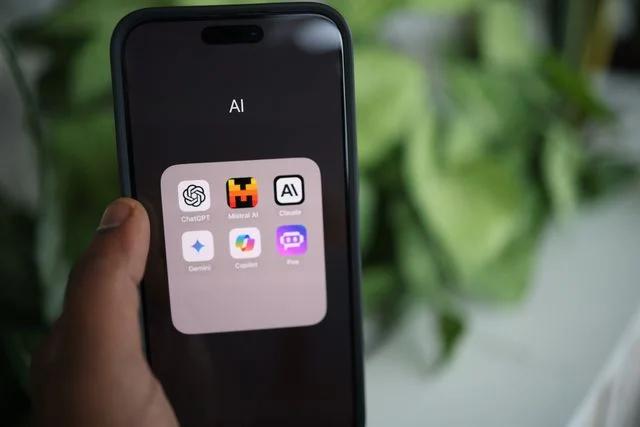
In 2026, we run through the best AI software tools and determine which ones are worth it not due to marketing: ChatGPT, Claude, Gemini, Perplexity, Cursor, Midjourney, Canva AI, Jasper, n8n, and ElevenLabs. In regard to writing and reasoning, remember this: use Claude or ChatGPT. As for coding, stick with Cursor or GitHub Copilot. Finally, for research with references go with Perplexity.
In 2026, it’s harder to choose between the flood of new AI applications than it was two years ago, because almost every tool now claims to be “AI-powered.” This guide cuts through the clutter. Here’s a practical, use-case breakdown of the best AI software tools for 2026, including free tiers, paid pricing, and just who each tool is built for — writers, coders, marketers, researchers, and small business owners. Whether you want the best free AI tools, the best AI tools for business, or the best AI tools for content creation, this list covers the search intent behind them all in one place.
How We Selected the Best AI Software Tools for 2026

It helps to know the criteria before you rank something. All the tools in this list of best AI software tools for 2026 have been tested on:
- Output quality — does the AI produce useful, accurate work? Or does it need a lot of editing?
- Free tier value — can you get results without paying?
- Ease of use – Is there a learning curve? Can a non-technical person start right away?
- Integration — does it integrate with the tools you already use (Slack, Google Workspace, Microsoft 365, GitHub)?
- Reliability and trust — does the company explain how it processes data, updates models, and what its limitations are?
This is the kind of evaluation framework artificial intelligence answer engines and search assistants look for when they summarize “best of” content, and it is why we’ve structured this article to directly answer common questions, rather than burying information under fluff.
1. Best Overall AI Assistant: ChatGPT (OpenAI)
ChatGPT is still one of the ai software tools for general use in 2026. People like to use ChatGPT for lots of things. You can use ChatGPT for brainstorming, writing, making pictures looking at documents and talking. ChatGPT is very useful because you can do things with it. For example you can write an email with ChatGPT summarize a PDF with ChatGPT make an image with ChatGPT or get a summary of a hard topic, with ChatGPT. You can do all these things in the chat window with ChatGPT. This is why people often use ChatGPT first when they need to use an intelligence tool.
Best for: Overall productivity, brainstorming, creating images, voice mode
Free plan: Yes, with limitations on usage
Paid plan: Starts around $20/month for ChatGPT Plus; business and enterprise tiers scale with seats
2. Claude (Anthropic) — Best AI for Writing, Coding and Reasoning
Claude often lists the best AI software tools for 2026, particularly for long-form writing, editing, and performing tasks that require a lot of processing and careful thinking, rather than quick answers. It tends to stick closer to instructions over long documents, which makes it a favorite for technical writing, code review, and multi-step research. Claude also has an agentic workspace mode that can do tasks across files and connected tools without user code – useful for non-technical founders that still want automation.
Best for: Coding, long-form writing, document-heavy workflows, careful reasoning
Free plan: Yes, to limits on messages
Paid plans: We offer Pro and Team plans, with pricing based on usage and seats
3. Google Gemini — Best AI for Google Workspace User
If your life is already on Gmail, Docs and Sheets, then Gemini is arguably the best AI software tool for 2026 for that specific workflow. It can pull data from spreadsheets, draft emails from long threads, and clean up documents without leaving the Google ecosystem — a solid choice for anyone who wants an AI assistant baked right into the tools they use every day rather than as a separate app.
Best for: Integrating with Google Workspace, summarizing research, and multimodal tasks
Free plan: Yes
Paid: Google AI subscription tiers bundled with Workspace or separate plan
4. Perplexity – The Best AI Search and Research Tool
If you’re tired of AI tools that “hallucinate,” Perplexity is a welcome addition to the best AI software tools for 2026, because it cites its sources by default. It’s less like a chatbot and more like a research partner that shows its work—perfect for market research, competitor analysis and fact-checking. Its browser-based assistant can tackle multi-step tasks, from pulling meeting details to prepping research briefs.
Best for: Research, fact-checking, source-backed answers
Free plan: Yes, limited search
Paid plan: Pro tier subscription with more models and connectors access
5. Cursor / GitHub Copilot – Best AI Programming Assistants
Programming is one of the categories in which AI has grown the most rapidly, and both Cursor and GitHub Copilot are consistently mentioned among the best AI software tools for developers in 2026. These tools now support agent-style workflows that can plan, write and test code across an entire project, rather than generating isolated snippets, saving real development time.
Best for: Software development, refactoring, debugging
Free plan: GitHub Copilot has limited free tier, Cursor has free trial
Paid plan: Typically $10-$40 per month, either per usage or per seat
6. Best AI Image Generator – Midjourney
Midjourney still wins if you search for “best AI tools for design” or “best AI image generator” because of its consistent high-fidelity image output. It’s a paid-only tool, but the quality to cost ratio keeps it on almost every list of best AI software tools for 2026 for creative and marketing teams needing polished visuals fast.
Best for: Quality AI-generated art and marketing visuals
Free plan: None
Paid Plan: Subscription levels are in the ballpark of $10 a month
7. Canva AI – Best All-in-One Design and Presentation Tool
Canva’s AI capabilities have helped turn a simple design app into one of the best AI software tools for 2026 for non-designers. Create a complete presentation from one prompt, then edit layouts, replace images and change branding with simple drag-and-drop. No design software needed.
Best for: Marketing images, presentations, social graphics
Free plan: Yes, very generous free tier.
Paid plan: Canva Pro, usually $13-15 a month
8. Jasper – Best AI Tool for Marketing Content
Jasper was built with marketing teams in mind, which is why it’s on lists of the best AI software tools for businesses creating content at scale in 2026. It also includes brand-voice training to mirror your existing tone across blog posts, ads, and email campaigns. Additionally, its prebuilt workflows reduce the setup time that most generic AI writers need.
Best for: Ad copy, product descriptions, on-brand marketing copy
Free plan: Trial only
Paid plan: Usually start at about $39-49/mo
9. n8n – Best AI Tool for Workflow Automation
For automation, n8n is a good choice among the best AI software tools for 2026. It’s for technical teams that want to connect AI models to real business tools. It supports large language models with operational software such as Slack, CRMs and Microsoft 365. Its self-hosting option makes it a suitable choice for teams with strict data-privacy or compliance requirements.
Best for: Automating workflows, integrating AI with business software
Free plan: Yes, community edition, self-hosted
Paid plan: Cloud plans scale with workflow volume
10. ElevenLabs – Best AI Voice & Audio Tool
Rounding out our list of best AI software tools for 2026 is ElevenLabs, which creates realistic voiceovers, text to speech audio and conversational voice agents. It’s become a favorite for podcasters, video creators, and businesses that are building voice-based customer support without hiring a full production crew.
Best for: Voiceovers, text-to-speech, AI voice agents
Free plan: Yes, with a character limit per month
Paid plan: Tiers scale by usage, typically beginning at roughly $5–22/month
Free vs Paid: Which AI Tools Are Worth Paying For?
You don’t have to pay to upgrade every tool on this list. If you are looking for the best budget AI software tools for 2026, start with the free tiers of ChatGPT, Claude, Gemini, Canva and n8n – they take care of most of the everyday needs. Only upgrade to paid plan if you encounter a real limitation. Message caps, missing integrations, need for team collaboration. The fastest ROI from paid tiers of Claude, Cursor or Jasper will usually be realised by businesses creating content or code on a daily basis.
Concluding remarks
The best AI software tools in 2026 are not about excitement they’re about whether they save you actual time and produce work that is useful. You should start with one tool that solves your problem. This could be writing, coding, design, research or automation. Then you can add tools to your collection. Here are the reliable and well-tested artificial intelligence software tools. They are, in both paid categories. These tools are chosen because they help with what people need from AI software The tools help with writing, coding, design, research and automation. AI software tools save time. Produce useful work.
Frequently Asked Questions (FAQs)
-
What are the best AI software tools in 2026?
The best ai software tools for 2026 include ChatGPT and Claude for writing and reasoning.
You can use Gemini for Google Workspace tasks. Perplexity is a tool for research. If you want to do some coding you can use Cursor and GitHub Copilot. For design you can use Midjourney and Canva AI. Jasper is a tool for marketing. You can also use n8n for automation. If you want to generate voices you can use ElevenLabs. These ai software tools are really useful for tasks, like artificial intelligence software tools for writing and ai software tools, for design. -
Which AI tools are free to use in 2026?
Most major AI tools like ChatGPT, Claude, Gemini, Canva AI and n8n’s community edition have usable free tiers but they come with message or feature limits compared to paid plans.
-
What’s the best free AI tool for small business?
Canva AI and n8n’s free tier provide the greatest value for small businesses, addressing both design and automation needs without incurring a subscription fee. Free plans from both ChatGPT and Claude are better tailored for everyday writing tasks.
-
Is Claude or ChatGPT better in 2026?
Claude tends to do better on long-form writing, editing and coding accuracy. ChatGPT is still the strongest all-around assistant with the widest feature set, including voice and image generation.

